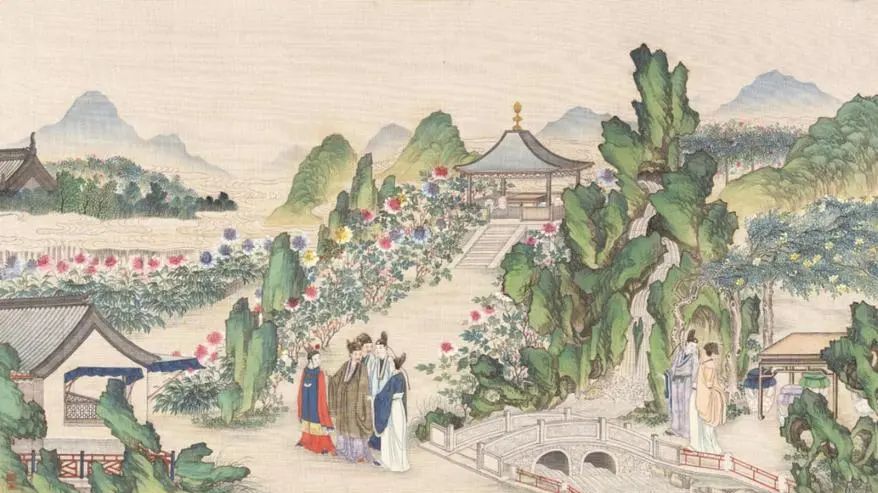
For thousands of years, the ancient classics often read the new, outstanding thoughts are often new, and the great spirit of the Chinese nation is ancient and new. These long -lasting things are more vitality and value in the long river of time. Why do some things have been new in time, while others are losing color over time? This article will discuss the deep reasons behind these long -lasting things from three aspects: cultural heritage, ideological innovation and spiritual value.
The charm of ancient classics lies in its important position in cultural heritage. Classic works such as "The Analects of Confucius", "Tao Te Ching", "Dream of Red Mansions", etc., carrying rich cultural connotation and historical wisdom. These classics not only record the lifestyle and ideological concepts of the ancients, but also an important part of Chinese culture. The power of cultural heritage allows these classics to rejuvenate new vitality in the reading and interpretation of different times.
Cultural heritage is not only a transmission of text, but also inheritance of spiritual and values. The wisdom in ancient classics often has the universality beyond time and space, and can find resonance in different historical backgrounds and cultural environments. For example, the principle of "do not want to do what you want, do not do people" mentioned in the Analects of Confucius is still an important criterion in interpersonal communication. These classics have been passed down from generation to generation and are constantly injecting new era significance, forming a long -lasting cultural value.
The reason why classic works have been new for a long time are the versatile and interpretation diversity of its content. Each generation and readers can make new interpretations and interpretations of classic works based on their own life experience and the background of the times. For example, "Dream of Red Mansions" is not only a literary masterpiece, but also a social encyclopedia. Different people can see different realistic projection and ideological revelation.
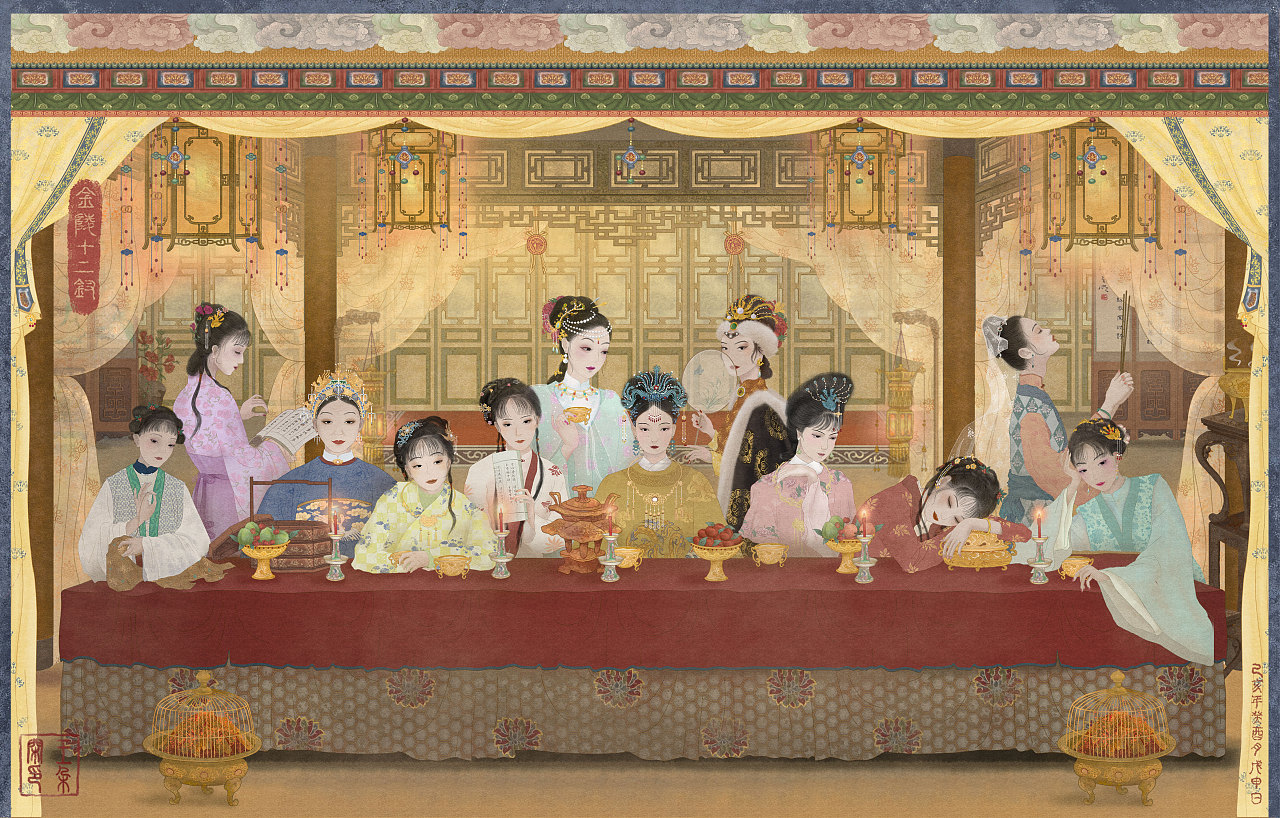
The possibility of multiple interpretations makes classic works constantly given new meaning. In the interpretation and interpretation of different times, classic works are not only inherited, but also advanced with the times, glowing with new vitality. It is this constant updated and rich interpretation that classic works have been new in the long river of time and never fade.
The long -lasting charm of classic works is also reflected in the important role in education. Ancient classics are an important part of Chinese culture. Through classic education, students can not only learn rich knowledge, but also cultivate correct values and worldview. Classic education is not only the transmission of knowledge, but also a spiritual influence. Through the learning and understanding of classic works, students can better understand themselves, society, and the world.
While cultivating students, classic education is constantly updating and enriching the classic connotation. Each generation of learning and understanding of classics is a new injection of classics. In this process, classic works are not only inherited, but also can glow with new vitality in the background of the new era. It is this process of continuous renewal and rich through education that make classic works lasting and forever.
The reason why outstanding ideas are often new is that they are innovative and forward -looking. Whether it is Confucius' "benevolence", the "Tao" theory of Lao Tzu, or the "military law" of the grandson, these ideas have deep insights beyond the times. Outstanding ideas can not only guide the social practice at the time, but also be continuously verified and applied in the development of later generations, reflecting its long -lasting value.
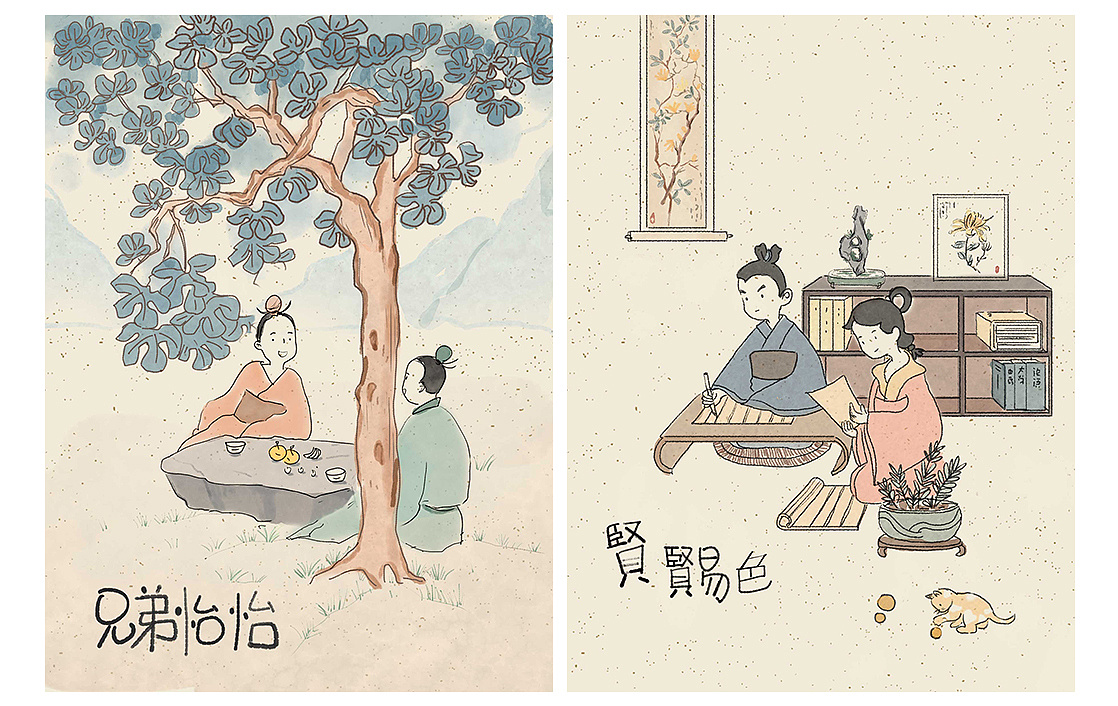
Ideological innovation is an important driving force for social progress. In the context of different times, outstanding thoughts are constantly given new meaning and functions. For example, Sun Tzu's "Sun Tzu" is not only a treasure of ancient military theory, but also widely used in modern commercial competition, becoming an important reference for corporate management and strategic planning. The innovation and application of thought enables outstanding ideas to maintain its vitality and influence at different historical stages.
The reason why outstanding ideas can last long is its extensive practical application. Whether it is politics, economy, culture, military, science and technology, and education, outstanding ideas can find the space and value of applications in different fields. The diversified application of thought enables it to play a unique role in different historical stages and different social environments.
For example, Confucius' "benevolence" is not only an important idea of governing the country and governing in ancient society, but also as an important principle of interpersonal relationships and social governance in modern society. Lao Tzu's "governance" is not only the idea of governing the country in ancient Taoism, but also as an important idea of environmental protection and sustainable development in modern society. The diversified application of ideas can still maintain its vitality and influence at different historical stages.
The reason why outstanding ideas can last for a long time lies in its continuous development theoretical system. The vitality of thought lies in continuous development and improvement. With the progress of society and the development of science and technology, outstanding ideas are constantly being enriched and enriched. For example, in the development and practice of Marxism in China, the socialist theoretical system with Chinese characteristics has been formed, and it has become an important idea to guide the Chinese revolution, construction and reform.
The continuous development and improvement of thought enables it to keep pace with the times and adapt to new historical conditions and social environment. In this process, thoughts were not only inherited, but also could also glow with new vitality in the new historical background. It is this continuous development and perfect process that make outstanding ideas and vitality lasting.
The great spirit of the Chinese nation is an important part of Chinese culture. In the long river of history, these spirits have formed the unique spiritual style of the Chinese nation after countless tests and baptism. Whether it is the anti -Japanese spirit during the Anti -Japanese War, or the entrepreneurial spirit of the reform and opening up, these great spirit always maintains a strong vitality and appeal in the inheritance and development of different times.
The inheritance of the great spirit is not only a respect for history, but also an incentive for the future. Under the new historical conditions, we need to continuously carry forward and practice these great spirit, so that they will glow with new vitality and value in the background of the new era. For example, the spirit of struggle in the new era is not only a tribute to the revolutionary ancestors, but also the pursuit of a better life in the future. The inheritance and development of the great spirit has always maintained a strong cohesion and centripetal force in the long river of history.
The reason why the great spirit of the Chinese nation can last for a long time is its profound significance. These spirits are not only a summary and reflection on the past, but also the revelation and guidance of the future. Under the new historical conditions, we need to continuously give these spiritual connotations in the new era, so that they will rejuvenate new vitality and value in the new historical background.
For example, the spirit of the Anti -Japanese War is not only a summary of the heroic struggle during the War of Resistance to Japan, but also an incentive and guidance for the patriotic spirit of the new era. Under the new historical conditions, we need to stimulate the patriotic enthusiasm and struggle spirit of the masses through the inheritance and promotion of the spirit of fighting the war, and strive to achieve the great rejuvenation of the Chinese nation. The meaning of the era of national spirit allows it to maintain its vitality and appeal at a new historical stage.
The inheritance of the great spirit is not only the responsibility of a country and nation, but also the responsibility of each individual. As a member of the Chinese nation, each of us should actively participate in the inheritance and promotion of the great spirit, and through our own efforts and practice, these spirits will be rejuvenated under the new historical conditions.
In family, we need to cultivate children's identity and understanding of the great spirit through family education, so that they have established the correct values and outlook on life since childhood. In school, we need to stimulate students' love and practice of the great spirit through curriculum education and practical activities, so that they can actively practice these spirit in learning and life. In society, we need to promote and promote the great spirit through various channels and forms, and inspire the patriotic enthusiasm and struggle of the people of the general public. Personal responsibilities in spiritual heritage enable each individual to play their own strength and role under new historical conditions and contribute to the inheritance and development of the great spirit.
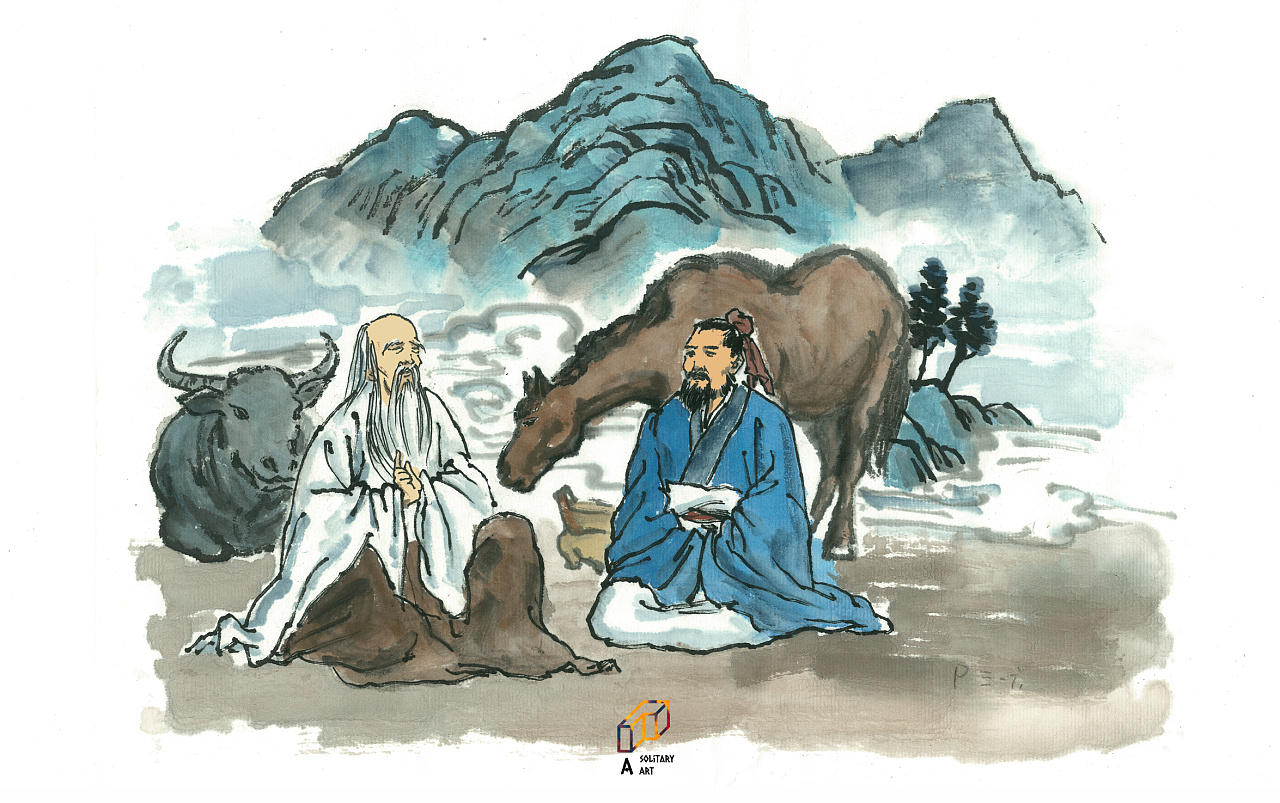
The older things, the more vitality and value are in the tempering of time. The long -lasting charm of the ancient classic, the long -lasting thoughts of outstanding thoughts, and the long -lasting charm of the spirit of the Chinese nation are all the constant value in time. Whether it is cultural inheritance, ideological innovation, or spiritual value, it is constantly inherited and developed, glowing with new vitality and value. Under the new historical conditions, we need to welcome the transformation and development of technology with an open mind, continue to explore and pursue, and achieve higher goals and dreams. Only in this way can we find true value and significance in the era of complicated information and achieve self -improvement and social progress. In this era full of challenges and opportunities, we need to welcome the transformation and development of technology with an open mind, continue to explore and pursue, and achieve higher goals and dreams.
图片源于网络