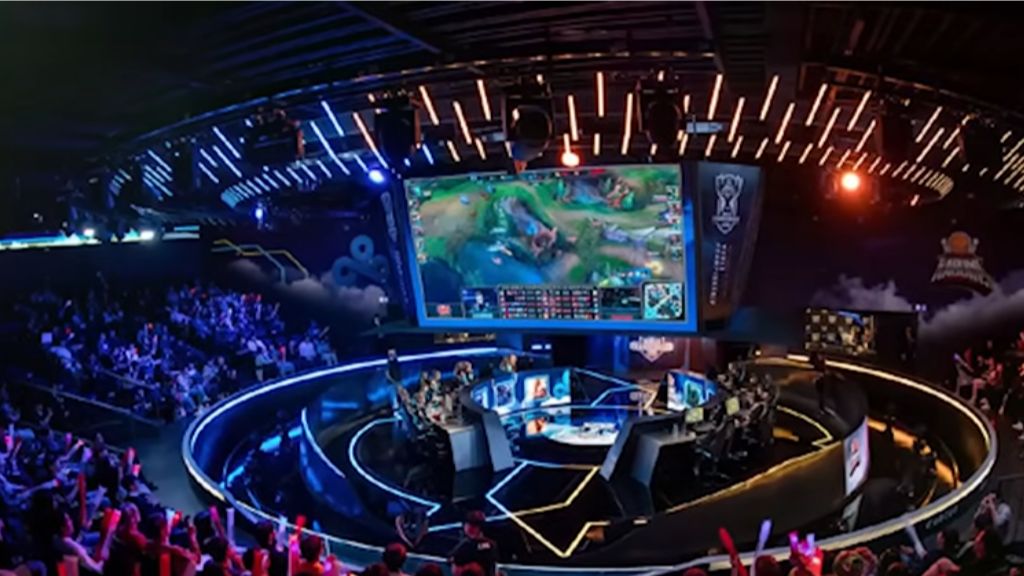
Hello, when mentioning South Korea, what do you think of? This is the country that brought kimchi to the world, is known for movies featuring handsome men and beautiful women, is home to extremely famous bands, and is also the country associated with very well-known smartphone brands. The things that South Korea excels at and is famous for do not stop there, as time and again, South Korea has surprised the world with one astonishing thing after another, especially in the field of e-sports and today's story.
Why has South Korea become a powerhouse in e-sports?
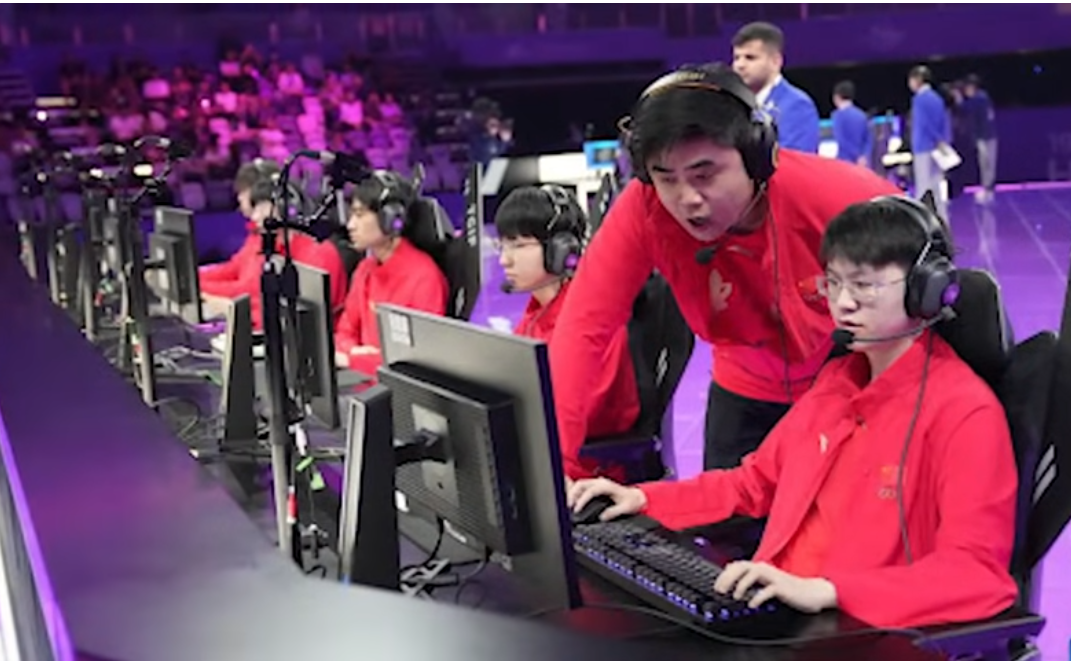
First, it must be affirmed that e-sports has a relatively large audience, even much larger than many traditional sports. Hundreds of millions of individuals of various ages, social classes, income levels, and different circumstances around the world are united by their love for e-sports, and they are not just spectators; they are also e-sports players. Unlike traditional sports that take place in a physical arena, such as a football field, basketball court, or a fighting ring, e-sports occurs in a virtual environment. It is the environment of games, the environment of video games.
In addition, instead of using physical strength or agility to compete as in traditional sports, e-sports is relatively different as it requires the use of techniques and mastery of gaming equipment. For example, a mouse, keyboard, controller, or even the phone screen in a professional manner. An e-sports athlete truly understands the game and possesses skills that are very high, similar to traditional sports. E-sports also requires high levels of strategy, combat, and teamwork. Only then can victory be achieved.
When did the first e-sports tournaments take place?
The first e-sports tournaments took place in 1972, surprisingly, right? And it happened in the United States. The game played at that time was spay world, and by 1980, this tournament had expanded widely and attracted over 10,000 American viewers. This was also the starting point for the development of e-sports, as the tournaments attracted the attention of the gaming community as well as fans. By the 1990s, e-sports had truly developed strongly as the internet became popular worldwide.
At that time, e-sports made significant progress and was particularly favored by players; games with individual or team competition became popular. How many e-sports players are there in the world now, and how many people watch e-sports? According to some statistics, e-sports has a total of over 200 million players, 200 million professional gamers worldwide. We must use the term professional because the number of amateur players is countless, and if we consider this as a population of a country, e-sports would be a country with a population in the top 10 in the world, and double the population of Vietnam.
And if we only consider the game League of Legends, there are already over 100 million players, here only counting professional players. According to reports from market analysis companies, not only does e-sports have a huge number of players, but it also has over 380 million regular viewers worldwide, including 165 million loyal viewers and 215 million occasional viewers. A large number of passionate fans come from North America, China, and South Korea. Of course, Vietnam is also emerging as a new market for e-sports with an increasing number of viewers and gamers.
If you are wondering whether e-sports fans are all young people, those without families, or those in their youth, in the United States, specific surveys show that about 40% of e-sports fans are married, and perhaps most surprisingly, on average, one in three e-sports fans is a woman.
Are e-sports and regular video games the same?
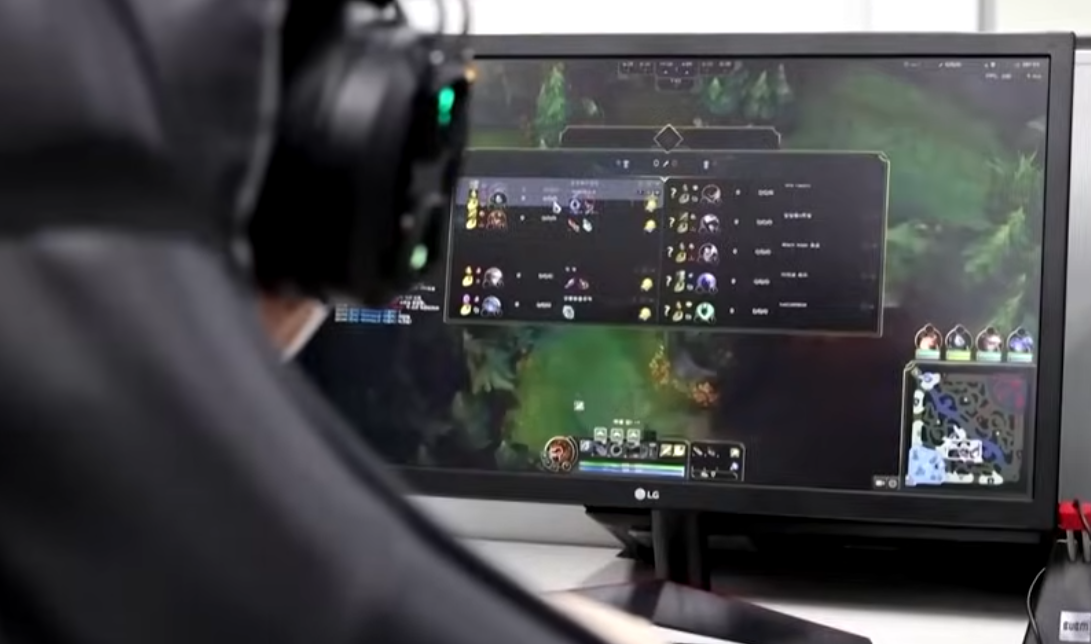
Many of us still think that competing in e-sports is just playing games, but perhaps these are two completely different things. E-sports is organized professionally with high competitiveness, and participants are professional players. We use the term professional here, and the winners can receive relatively large prizes, while games or regular video games can be played anywhere but lack organization, referees, and spectators, and simply, no one rewards you with any money if you win. It's similar to comparing professional football players with those who play for fun to stay healthy.
So how do we distinguish between professional and non-professional?
In the world, some countries have awarded bachelor's degrees in e-sports, which sounds relatively new, right? But the truth is that Staffordshire University in England and Ohio University in the United States are among the pioneers in granting degrees to e-sports gamers. In Asia, where e-sports has seen strong growth, some schools in Singapore, Thailand, and China have also offered courses for professional gamers. However, mentioning Asia and talking about e-sports without mentioning South Korea, this e-sports powerhouse, would truly be a shortcoming because in other countries, e-sports may just be trending, but in South Korea, e-sports has become a part of the country's culture.
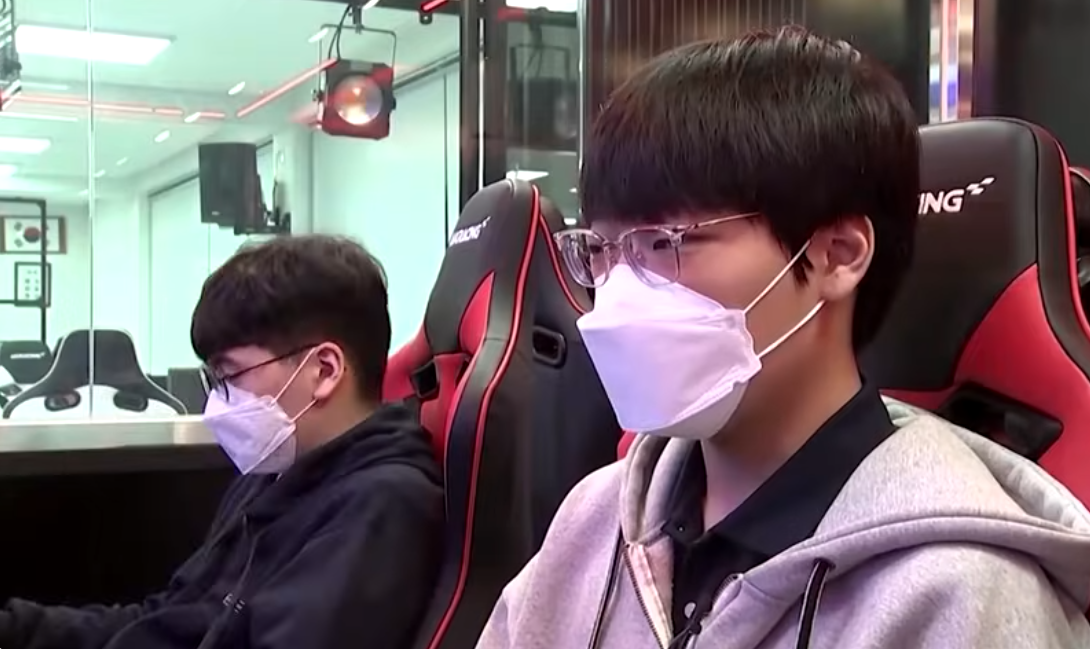
In South Korea, e-sports is a source of national pride; statistics show that about 28 million South Koreans play games, which is more than half of the population, and 20% of the population in South Korea watches e-sports several times a month, which are telling numbers about e-sports in South Korea. Additionally, this country often leads in e-sports competitions, creating organized tournaments, training professional teams, and having venues that are extremely grand and always filled with fans.
What are the reasons that help South Korea develop e-sports like this?
Let's turn back time to the 1990s, when South Korea focused on telecommunications and internet infrastructure to cope with the Asian financial crisis. By the 2000s, a vibrant gaming community had emerged in South Korea. Initially, they operated in internet cafes, which were the breeding grounds for the first gamers. To prevent players from being distracted, South Koreans created the e-sports association. Many television stations also focused on broadcasting e-sports matches, with some channels airing continuously 24/7, such as OnGameNet and MBC Game.
One of the first actions to support e-sports came from the South Korean Ministry of Culture, including sponsorship for the World Cyber Games Challenge, the predecessor of the first international e-sports tournament in the world held in 2000. The first version of the World Cyber Games was held in Seoul with a total prize of $300,000. A truly impressive figure at that time. It cannot be overlooked that the development of e-sports in South Korea is considered a very developed market, as high schools and universities offer programs related to e-sports.
E-sports is one of the most popular jobs and one of the top future choices for South Korean students after careers such as doctors, teachers, or digital content creators. Therefore, in this country, there are many training centers for professional gamers, where e-sports athletes can practice up to 18 hours a day, which is significantly more, about 60-70%, compared to gamers in other countries. They always have to keep their minds sharp to rank up with a lot of harshness in training and competition.